Projects


Light tells the story
Painters like Rembrandt and Caravaggio used dramatic contrasts of light and shadow (chiaroscuro) to make their work stand apart. Their mastery of lighting didn't just highlight their subjects—it tells a story. And if you tell the story you want to tell, the way you want to tell it, what you like is all that matters.
AVERAGE LIGHT isn't "bad"
I captured this photo of Elyse, an excellent hair and makeup artist I've worked with, for a photo shoot outdoors. Sunlight bounced around under the awning where she was working. It's not my favorite photograph I've ever taken, but it captured the quick, candid moment in time in a decent way. The light wasn't bad, but it also didn't have that artistic punch I was looking for in a show-stopping portfolio image.
GOOD LIGht tickles your brain
Defining "good" light is up to you. In my opinion, “good” lighting means you either noticed it because it impressed you, or you didn’t notice it because it’s just pleasantly part of how your eye sees the image - like how good foods are a combination of ingredients, or the music in a good movie whisks you away on an adventure that wouldn't be the same without it.

AVERAGE LIGHT
Feels Generic
Blends into the background without adding any distinct personality or visual interest to the composition.
overly harsh or muted
Too harsh, and the light overwhelms the subject with distracting highlights or shadows. Too soft, and the subject blends into the background.
Lacks Depth
Without variation in light and shadow, an image can feel two-dimensional and lifeless.
Misses the story
Average lighting doesn't always support the narrative. It often misses the opportunity to highlight emotion or what's most important in the scene.
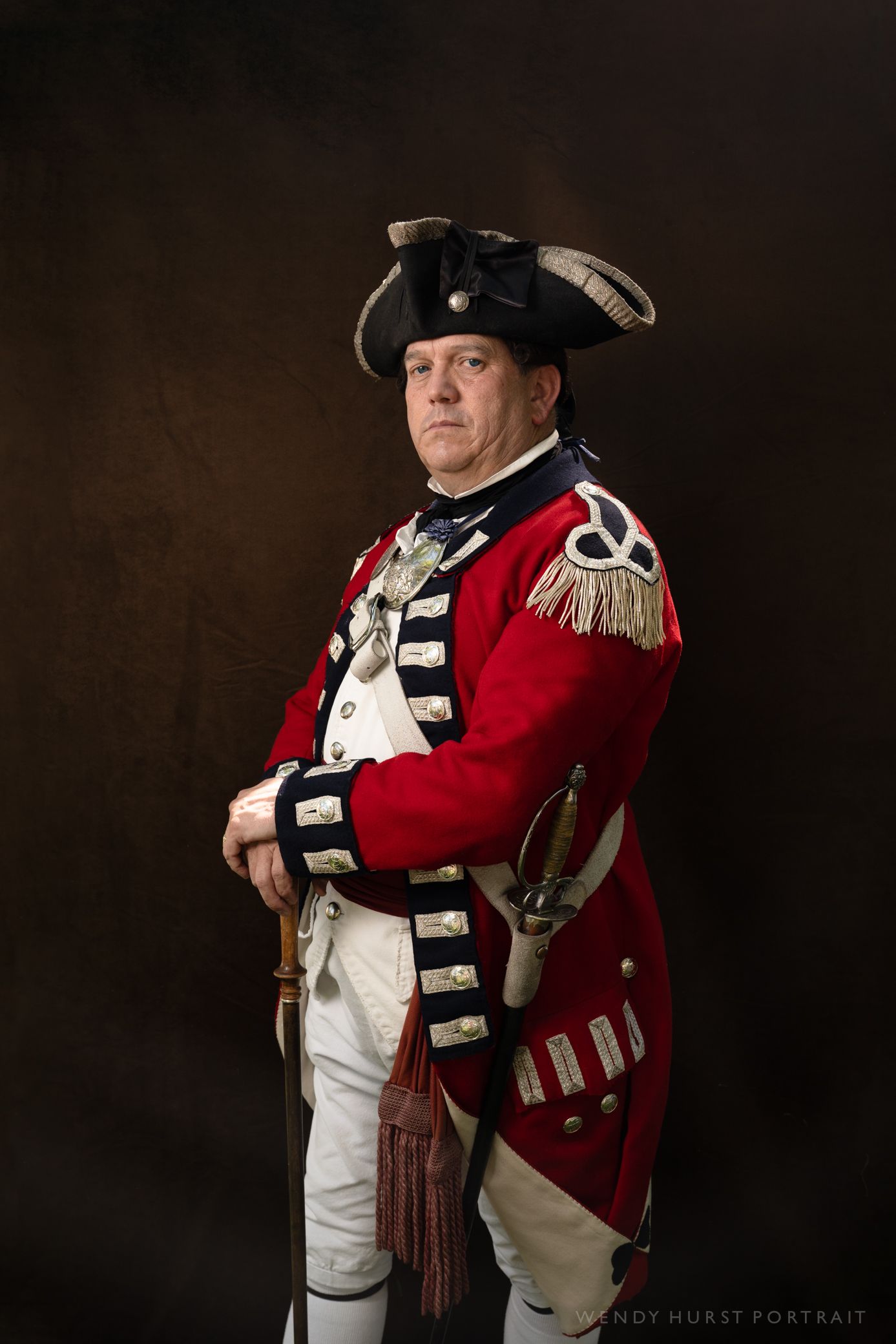
Good light
Creates drama & mood
Good lighting often uses contrast (e.g., chiaroscuro) to evoke emotion, build tension, or set a tone. Artists like Caravaggio used this technique to make his subjects feel alive and dramatic.
Guides the viewer's eye
Good lighting directs attention to key areas, emphasizing the subject or narrative. Rembrandt’s portraits, for example, use subtle, focused light to highlight faces while allowing other areas to fade into shadow.
Adds depth & dimension
Intentionally using light and shadow makes the painting feel more three-dimensional and dynamic. This is often seen in the way painters capture light reflecting off surfaces or wrapping around forms.
Enhances Storytelling
In masterpieces by the Dutch painter Vermeer (the guy who painted the Woman With the Pearl Necklace), light isn’t just a tool—it’s a character in the scene, setting the mood and deepening the narrative.
What you like is all that matters.
Find the right photographer. Make it happen. Even if that photographer isn't me.


